Theme images by kelvinjay. Powered by Blogger.

USA

AFRICA

ASIA

Brazil

Portugal

United Kingdom

Switzerland

Inbreeding and population/demographic shifts could have led to Neanderthal extinction


Small populations, inbreeding, and random demographic fluctuations could have been enough to cause Neanderthal extinction, according to a study published in the open-access journal PLOS ONE by Krist Vaesen from Eindhoven University of Technology, the Netherlands, and colleagues.

Inbreeding and population/demographic shifts could have led to Neanderthal extinction
Small populations, inbreeding, and random demographic fluctuations could have
been enough to cause Neanderthal extinction, according to a new study
[Credit: Petr Kratochvil (CC0)]
Paleoanthropologists agree that Neanderthals disappeared around 40,000 years ago--about the same time that anatomically modern humans began migrating into the Near East and Europe. However, the role modern humans played in Neanderthal extinction is disputed. In this study, the authors used population modelling to explore whether Neanderthal populations could have vanished without external factors such as competition from modern humans.


Using data from extant hunter-gatherer populations as parameters, the authors developed population models for simulated Neanderthal populations of various initial sizes (50, 100, 500, 1,000, or 5,000 individuals). They then simulated for their model populations the effects of inbreeding, Allee effects (where reduced population size negatively impacts individuals' fitness), and annual random demographic fluctuations in births, deaths, and the sex ratio, to see if these factors could bring about an extinction event over a 10,000-year period.

The population models show that inbreeding alone was unlikely to have led to extinction (this only occurred in the smallest model population). However, reproduction-related Allee effects where 25 percent or fewer Neanderthal females gave birth within a given year (as is common in extant hunter-gatherers) could have caused extinction in populations of up to 1,000 individuals. In conjunction with demographic fluctuations, Allee effects plus inbreeding could have caused extinction across all population sizes modelled within the 10,000 years allotted.


The population models are limited by their parameters, which are based on modern human hunter-gatherers and exclude the impact of the Allee effect on survival rates. It's also possible that modern humans could have impacted Neanderthal populations in ways which reinforced inbreeding and Allee effects, but are not reflected in the models.

However, by showing demographic issues alone could have led to Neanderthal extinction, the authors note these models may serve as a "null hypothesis" for future competing theories--including the impact of modern humans on Neanderthals.

The authors add: "Did Neanderthals disappear because of us? No, this study suggests. The species' demise might have been due merely to a stroke of bad, demographic luck."

Source: Public Library of Science [November 27, 2019]

Breakthrough method of identifying sex and species of million-year-old fossils


Reid Ferring, a professor in the University of North Texas Department of Geography and the Environment, is part of an international team of scientists who have developed a breakthrough method of identifying the sex and species of animal in fossils more than a million years old.

Breakthrough method of identifying sex and species of million-year-old fossils
UNT Professor Reid Ferring holds that cast of a skull found at the Dmanisi site
[Credit: University of North Texas]
"This is very exciting because our current method for determining sex and species, examination of extracted DNA, was limited to approximately 200,000 years. Through palaeoproteomics, the study of ancient proteins, we can now look back over a million years," said Ferring.

Ferring believes that palaeoproteomics will prove to be the key for establishing the evolutionary line between the earliest hominids and modern man. The reason, according to Ferring, is that proteins like collagen, which is found in tendons, ligaments, skin, bone and teeth, last much longer than DNA in fossilized material.


"We have thousands of hominid fossils in collections and museums around the world from all time periods," he said. "We have five complete skulls from the Dmanisi site in the country of Georgia that I know are almost two million years old. There are so many samples that can now be labeled and differentiated between species of the same line. We are on the edge of learning much more about our ancestors and ourselves than at any point in history."

Ferring added that the breakthrough came when the team was able to sample collagen from 1.7 million-year-old fossilized animal teeth found at the Dmanisi site. Using that protein, the team determined that the animal was a Stephanorhinus, an extinct form of rhinoceros. The team could then fit the Stephanorhinus into the modern rhinoceros' evolutionary line and differentiate it from ones that came before and after.


Palaeoproteomics is a very new field and, as such, scientists are very careful to document and confirm each part of the process. Ferring was one of more than 40 prominent researchers of different specialties, nationalities and backgrounds who participated in the groundbreaking project.

"I was brought in not because I am an expert on ancient proteins, but because I am a geologist and archaeologist who has been working at the Dmanisi site every summer for the last 27 years," Ferring said. "The whole surface of the site is covered with ruins of Bronze Age and medieval structures including a fortress and a seventh century Orthodox Church. All of the materials we excavated were found under 20 feet of volcanic ash containing thousands of animal bones and artifacts."


As the project geologist, Ferring documented and profiled the sediments in the area of the original find to provide context for all the materials that were dated and the fossils recovered. Based on the depth of the find and the type of minerals surrounding it, he was able to place the age of the Stephanorhinus teeth at more than 1.7 million years old.

In September, the journal Nature printed a paper titled "Early Pleistocene Enamel Proteome from Dmanisi Resolves Stephanorhinus Phylogeny" that describes the methods used and data collected by the international Stephanorhinus team. The paper was co-authored by Ferring.

Source: University of North Texas [November 19, 2019]

DNA data offers scientific look at 500 years of extramarital sex in Western Europe


These days it's easy to resolve questions about paternity with over-the-counter test kits. Now, researchers have put DNA evidence together with long-term genealogical data to explore similar questions of biological fatherhood on a broad scale among people living in parts of Western Europe over the last 500 years.

DNA data offers scientific look at 500 years of extramarital sex in Western Europe
Credit: Getty Images
The findings reported in Current Biology yielded some surprises. While the number of so-called extra-pair paternity (EPP) events overall was (not surprisingly) fairly low, their frequency varied considerably among people depending on their circumstances. Specifically, evidence of EPP events turned up much more often in people of lower socioeconomic status who lived in densely populated cities in the 19th century.

"Of course, extra-pair paternity, especially due to adultery, is a popular topic in gossip, jokes, TV series, and literature," said Maarten Larmuseau of KU Leuven and Histories, Belgium. "But scientific knowledge on this phenomenon is still highly limited, especially regarding the past.

"Our research shows that the chance of having extra-pair paternity events in your family history really depends on the social circumstances of your ancestors. If they lived in cities and were of the lower socioeconomic classes, the chances that there were EPP events in your family history are much higher than if they were farmers."


Evolutionarily speaking, it's clear that remaining faithful to one's partner isn't always the most advantageous strategy. Males may benefit from straying by siring extra offspring; females may benefit by mating with superior males. But in human societies over time, how often has EPP really happened?

In the new study, Larmuseau's team took the first broad look at this question to find that social context really matters. Their study covered a time period of several centuries during which there were dramatic changes in the human social environment, including the rapid urbanization that accompanied the Industrial Revolution in 19th century Western Europe. To estimate historical EPP rates among married couples, they identified 513 pairs of contemporary adult males living in Belgium and the Netherlands who, based on genealogical evidence, shared a common paternal ancestor and therefore--barring an EPP event--should have carried the same Y chromosome.

The evidence showed no significant difference in EPP rates between countries despite key religious differences, they report. But they varied widely with socioeconomic status and population density. The EPP rate was much lower among farmers and more well-to-do craftsmen and merchants (about 1%) than among lower class laborers and weavers (about 4%).


EPP rates also rose with population density. Putting the two together, the researchers report that the estimated EPP rates for the families varied by more than one order of magnitude, from about 0.5% among the middle to high classes and farmers living in the most sparsely populated towns to almost 6% for the low socioeconomic classes living in the most densely populated cities.

The researchers say the findings support evolutionary theories suggesting that individual incentives and opportunities for seeking or preventing extra-pair mating should depend on the social context. They also debunk the notion that EPP rates in Western society are generally high, they say, noting that the evidence puts average rates at around 1%.

Larmuseau says an interdisciplinary perspective will be important to understanding why certain factors like population density and socio-economic status have had such a strong influence on the EPP rate. "This is highly relevant because the causes of historical EPP events are hidden and diverse," he said.

Source: Cell Press [November 14, 2019]

Extinct giant ape directly linked to the living orangutan


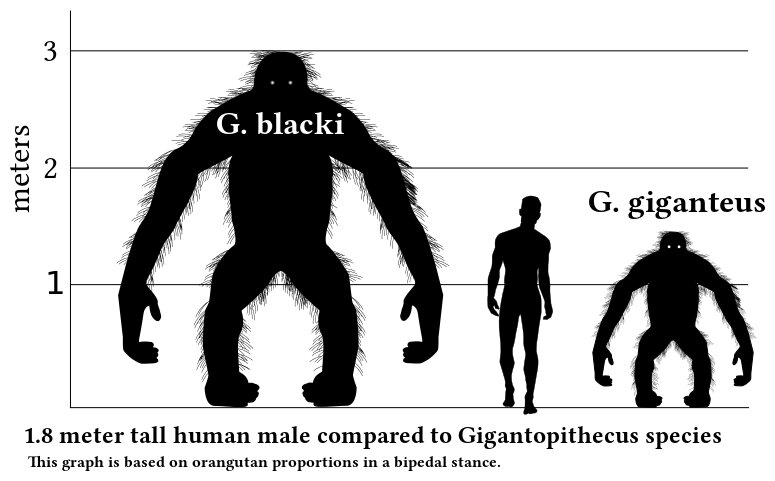
By using ancient protein sequencing, researchers have retrieved genetic information from a 1.9 million year old extinct, giant primate that used to live in a subtropical area in southern China. The genetic information allows the researchers to uncover the evolutionary position of Gigantopithecus blacki, a three-meter tall and may be up to 600 kg heavy primate, revealing the orangutan as its closest, living relative.

Extinct giant ape directly linked to the living orangutan
Artistic representation of Gigantopithecus blacki [Credit: Ikumi Kayama
(Studio Kayama LLC)]
It is the first time that genetic material this old has been retrieved from a warm, humid environment. The study is published in the scientific journal Nature, and the results are groundbreaking within the field of evolutionary biology, according to Frido Welker, Postdoc at the Globe Institute at the Faculty of Health and Medical Sciences and first author of the study.


'Primates are relatively close to humans, evolutionary speaking. With this study, we show that we can use protein sequencing to retrieve ancient genetic information from primates living in subtropical areas even when the fossil is two million years old. Until now, it has only been possible to retrieve genetic information from up to 10,000-year-old fossils in warm, humid areas.

Extinct giant ape directly linked to the living orangutan
A Gigantopithecus blacki mandible (P1-M2=74mm) [Credit: Prof. Wei Wang;
Photo retouching: Theis Jensen]
This is interesting, because ancient remains of the supposed ancestors of our species, Homo sapiens, are also mainly found in subtropical areas, particularly for the early part of human evolution. This means that we can potentially retrieve similar information on the evolutionary line leading to humans', says Frido Welker.


Today, scientists know that the human and the chimpanzee lineages split around seven or eight million years ago. With the previous methodologies though, they could only retrieve human genetic information not older than 400,000 years. The new results show the possibility to extend the genetic reconstruction of the evolutionary relationships between our species and extinct ones further back in time, at least up to two million years -- covering a much larger portion of the entire human evolution.

Analyzing ancient dental enamel proteins using mass spectrometry-based proteomics

In a recent study, also published on Nature, Enrico Cappellini, Associate Professor at the Globe Institute and senior author on this study, initially demonstrated, together with an international team of colleagues, the massive potential of ancient protein sequencing.

Extinct giant ape directly linked to the living orangutan
Gigantopithecus blacki mandible [Credit: Prof. Wei Wang;
Photo retouching: Theis Jensen]
'By sequencing proteins retrieved from dental enamel about two million years old, we showed it is possible to confidently reconstruct the evolutionary relationships of animal species that went extinct too far away in time for their DNA to survive till now. In this study, we can even conclude that the lineages of orangutan and Gigantopithecus split up about 12 million years ago', says Enrico Cappellini.


Sequencing protein remains two million years old was made possible by stretching to its limits the technology at the base of proteomic discovery: mass spectrometry. State of the art mass spectrometers and the top palaeoproteomics expertise needed to get the best out of such sophisticated instrumentation are key resources deriving from the decade-long strategic collaboration with Jesper Velgaard Olsen, Professor at Novo Nordisk Foundation Center for Protein Research and co-author on this study.

The mystery of Gigantopithecus

The fossil evidence attributed to Gigantopithecus was initially discovered in southern China in 1935, and it is currently limited to just a few lower jaws and lots of teeth. No complete skull and no other bone from the rest of the skeleton has been found so far. As a result, there has been a lot of speculation about the physical appearance of this mysterious animal.

Extinct giant ape directly linked to the living orangutan
This is a comparison graph comparing the hight of a 1.8 meter tall human male with Gigantopithecus species.
This graph is based on orangutan proportions in a bipedal stance. It is most likely that Gigantopithecus
would have spent most of its time in a quadrupedal stance on all fours [Credit: Discott]


'Previous attempts to understand which could be the living organism most similar to Gigantopithecus could only be based on the comparison of the shape of the fossils with skeletal reference material from living great apes. Ancient DNA analysis was not an option, because Gigantopithecus went extinct approximately 300,000 years ago, and in the geographic area Gigantopithecus occupied no DNA older than approximately 10,000 years has been retrieved so far. Accordingly, we decided to sequence dental enamel proteins to reconstruct its evolutionary relation with living great apes, and we found that orangutan is Gigantopithecus' closest living relative', says Enrico Cappellini.

Extinct giant ape directly linked to the living orangutan
View from the entrance of Chuifeng cave (China)
[Credit: Prof. Wei Wang]
The study of human evolution by palaeoproteomics will continue in the next years through the recently established "Palaeoproteomics to Unleash Studies on Human History (PUSHH)" Marie Skcodowska Curie European Training Network (ETN) Programme.

Source: University of Copenhagen [November 13, 2019]

Modern apes smarter than pre-humans


New research from the University of Adelaide suggests living great apes are smarter than our pre-human ancestor Australopithecus, a group that included the famous "Lucy."

Modern apes smarter than pre-humans
Australopithecus afarensis (Lucy) [Credit: National Museum of Nature
and Science, Tokyo, Japan]
The study, conducted in partnership with the Evolutionary Studies Institute of the University of the Witwatersrand and published in the Proceedings of the Royal Society B, challenges the long-held idea that, because the brain of Australopithecus was larger than that of many modern apes, it was smarter.

The new research measured the rate of blood flow to the cognitive part of the brain, based on the size of the holes in the skull that passed the supply arteries. This technique was calibrated in humans and other mammals and applied to 96 great ape skulls and 11 Australopithecus fossil skulls.


Research lead Professor Roger Seymour from the University of Adelaide's School of Biological Sciences said the study revealed a higher rate of blood flow to the cognitive part of the brain of living great apes compared to Australopithecus.

"The results were unexpected by anthropologists because it has been generally assumed that intelligence is directly related to the size of the brain,"' Professor Seymour said.

"At first, brain size seems reasonable because it is a measure of the number of brain cells, called neurons. On second thought, however, cognition relies not only on the number of neurons, but also on the number of connections between them, called synapses. These connections govern the flow of information within the brain and greater synaptic activity results in greater information processing."


The human brain uses 70% of its energy on synaptic activity, and that amount of energy relies on a proportionately high blood supply to deliver oxygen. Although our brain occupies only 2% of our body weight, it uses 15—20% of our energy and requires about 15% of the blood from the heart.

Professor Seymour said the great apes were known to be very intelligent and included the gorilla Koko, who was taught to communicate with over 1000 signs, a chimpanzee called Washoe who learned about 350 signs, and Kanzi, a bonobo, who not only developed good English comprehension and syntax but also made stone tools.

"How does the intelligence of modern great apes stack up against that in our 3 million-year-old relatives, the australopithicines such as Lucy? Non-human great apes have smaller or equal sized brains compared to the size indicated by the fossil braincases of Australopithecus species, so Lucy is generally considered to have been smarter.


"It is known that the large human brain looks like a scaled-up primate brain in terms of size and neuron number. However, the study shows that cerebral blood flow rate of human ancestors falls well below the data derived from modern, non-human primates.

"Based on the results, it is estimated that blood flow to Koko's cerebral hemispheres was about twice that of Lucy. Because blood flow rate might be better measure of information processing capacity than brain size alone, Koko seems to have been smarter."

Author: Elisa Black | Source: University of Adelaide [November 13, 2019]

Why words make language


From hieroglyphics to emojis, and grunts to gestures, humans have always used multiple modes to communicate, including language.

Why words make language
Modes of communication [Credit: Wits University]
If you've ever sent a text using emojis, which the recipient received and understood, then you've communicated in a new language code. Communication codes have been with us since the grunts of our ancestors developed in to the first languages—Aramaic, Sanskrit, Tamil—the latter having made an appearance in 300 BC and considered the world's oldest language.

Dr. Gilles Baro, a sociolinguist at Wits, says that what we consider languages today are "organised, systematised guides to communication". "People have always communicated using multiple modes, such as gestures, sounds, words, scripts and images. Languages are one of those modes and they are not 'invented'. Rather, people—usually the elite—decide on a norm for communication, and that is what we consider 'language' today."

Linguistic migration

Over time, this code evolves, says Maxwell Kadenge, Associate Professor and Head of the Department of Linguistics in the School of Literature, Language and Media at Wits. And where this code will be in future is anyone's guess.


"Languages evolve naturally as a result of the migration of people, which in turn results in languages getting into contact with each other. Think of Afrikaans, which was originally spoken by the Dutch, but began to develop distinct characteristics as a result of its contact and borrowing from South African languages, especially Khoe and San languages."

Similarly, says Kadenge, South African spoken languages that evolved because of contact between existing languages include Fanagalo and Tsotsitaal. "Both of them have borrowings from Bantu languages like Zulu, Xhosa, English and Afrikaans. Chilapalapa developed in Zimbabwe [then Rhodesia] from the contact between English, Shona varieties and Zambia languages," he says.

Brave new word

Baro says that along with migration, new environments and technology also influence how language evolves. Emojis and text language are an example of how spoken language has merged with digital communication.

"Today, considering the internet, language is more open and in a way more vulnerable to be changed or influenced. We are exposed to a lot more variations than in the past. For example, a study done at the University of Cape Town showed the increasing use of the word 'like' as a quotative, hedge, or discourse particle by young South Africans was influenced by their exposure to North American popular culture, via movies and songs. Often the accent and vocabulary of a nearby community will influence a language too, through the borrowing of words."

A quotative is a grammatical device to mark quoted speech—essentially "spoken quotation marks"—while hedge and discourse particles make speech less direct and manage the flow of dialogue.

Degrees of understanding

"The word 'language' is broad and fluid, as it has both linguistic and political connotations. In simple terms, a language is a communally owned means of communication, which is passed on from one generation to the other through the process of socialisation," says Kadenge.


The reason we have differences in languages and dialects is essentially to understand each other in a particular space and time. "One of the criterion that are used to consider varieties such as dialects of the same language, or as distinct languages, is mutual intelligibility. This simply refers to the degree to which speakers of different languages understand each other in the same conversation," he says.

Kadenge explains: "Normally, varieties that are mutually intelligible are considered dialects of the same language. For example, the Zimbabwean language—Shona—is made up of four main dialects, namely Karanga, Zezuru, Korekore and Manyika, whose degree of mutual intelligibility varies. These varieties are considered dialects of the Shona language. However, Scandinavian languages—Danish, Norwegian and Swedish—are mutually intelligible, just like the Shona dialects, but are considered different languages, probably because they are spoken in different countries. Against this background, the question on what makes a language a language is not easy to define."

EmpoWORDment

Some would argue that language is steeped in our identity, and can separate communities. Baro says variations in language are also clues to particular traits of identity. "So when hearing someone use language, we can guess their gender or sex, race, class, etc."

Language, being a social aspect of life, has the power to divide as much as it brings people together. In South Africa particularly, it is contentious when public discussions are held in a language that only some can understand. People who cannot speak the language would undoubtedly feel excluded from the group.

"Languages signify identity and belonging. This is primarily because people who speak the same language understand each other, the languages contain words that all the members of a community understand," Kadenge says.

"In South Africa, due to internal colonialism, some big and politically powerful groups tend to suppress smaller groups. This is evident in language policies and practices. Why is it that the national anthem has English, Afrikaans, Nguni and Sotho languages but does not include Venda and Tsonga languages? The national anthem is one of the main national symbols; sacrosanct heritage and rallying point of the country. This tells you who is in power and who is not. Language symbolises power, and when you exclude some languages in the linguistic landscape, such as a national anthem, you are disempowering the speakers."

Culture carrier

But language also allows us to pass our cultural values and sensibilities from one generation to another, says Kadenge. "Hence, we usually say language is a carrier of culture. It is the means through which we share our values and socialise our children."


Simultaneously, language also allows us access into other cultures. "Many people around the world now have access to the Chinese culture because the Chinese language is spreading around the world through the establishment of Confucius Institutes and the teaching of the language all over the world. This is how English culture has spread around the world. English is now considered a global language. Right now, South Africa is strengthening its links with East Africa by introducing the teaching of Swahili in its education system. It is why Swahili has been taught at the University of Zimbabwe for a while."

Thinking aloud

While the number of spoken languages is said to be reducing globally, language code is developing in other ways. English is being manipulated, moulded and restructured using psycholinguistics, or psychology of language, which considers the way that it is shared and understood.

Baro adds, "Agency is important, meaning that people purposefully make use of different variations of language in order to perform aspects of identity. Formality versus informality, humour, or wanting to sound serious, for example."

"Because of our agency to use language as one form of communication, we get to express ourselves using language based on how the language and its different forms or variations are perceived in society. One will use different forms of language if they want to appear friendly or unfriendly, for example. This is why language is considered a system, because each word, sound, accent, variant, indexes a particular meaning," says Baro.

Author: Shanthini Naidoo | Source: Wits University [November 12, 2019]

Fossil suggests apes, old world monkeys moved in opposite directions from shared ancestor


In terms of their body plan, Old World monkeys--a group that includes primates like baboons and macaques--are generally considered more similar to ancestral species than apes are. But a new study that analyzes the first well-preserved femur of Aegyptopithecus zeuxis, a common ancestor of Old World monkeys and apes, suggests that as far as locomotion goes, apes and Old World monkeys each evolved a way of moving that was different from the ancestral species as they adapted to different niches in their environments.

Fossil suggests apes, old world monkeys moved in opposite directions from shared ancestor
Artistic reconstruction of a group of Aegyptopithecus individuals on a tree during the Oligecene
[Credit: Lucille Betti-Nash (modified by Sergio Almecija)]
"Our study shows that Aegyptopithecus preserves an ancient hip morphology not present in living anthropoid primates," said Sergio Almecija, a paleoanthropologist and evolutionary biologist in the Division of Anthropology at the American Museum of Natural History who is first author on the study, which was published in Nature Communications this week. "As far as the hip is concerned, it seems that apes, humans, and Old World monkeys have all parted ways long ago--which would explain why they move around so differently today."


The fossil analyzed in the study was discovered in 2009 and is the most complete femur of Aegyptopithecus, a 15-lb (7-kg) likely tree-dwelling species that lived in Egypt about 30 million years ago, close to the time when hominoids (the group that includes apes and humans) split from the larger group that includes Old World monkeys. A well-preserved femur allowed researchers to glean details about the hip joint, a major anatomical region for inferring locomotion, using a combination of 3D morphometric analysis and evolutionary modeling.

Fossil suggests apes, old world monkeys moved in opposite directions from shared ancestor
Play session between adolescent male chimpanzee, Faustino, (Pan troglodytes schweinfurthii) and adolescent
male olive baboon (Papio anubis). Gombe Stream Research Center, Gombe National Park, Tanzania
[Credit: © Kristin J Mosher]
For the analysis, the authors compared the fossil bone to other extinct and modern species, including humans, chimpanzees, and Victoriapithecus and Homunculus (extinct Old World and New World monkeys, respectively). The evolutionary modeling analysis used in the study included a method that was developed to identify convergent evolution in anole lizards in the Caribbean, which have independently developed comparable niche-specific adaptations across various islands.


The results indicate that the ancestral hip joint is, from an evolutionary perspective, as far from the hip joint of modern Old World monkeys as from those of the great apes--suggesting that each group evolved a distinct way of moving as they specialized for success in different environmental niches.

Scientists link Neanderthal extinction to human diseases


Growing up in Israel, Gili Greenbaum would give tours of local caves once inhabited by Neanderthals and wonder along with others why our distant cousins abruptly disappeared about 40,000 years ago. Now a scientist at Stanford, Greenbaum thinks he has an answer.

Scientists link Neanderthal extinction to human diseases
Neanderthals died out about 40,000 years ago. Stanford scientists think diseases contracted from
our ancestors may have played a role [Credit: Nicolas Primola/Shutterstock]
In a new study published in the journal Nature Communications, Greenbaum and his colleagues propose that complex disease transmission patterns can explain not only how modern humans were able to wipe out Neanderthals in Europe and Asia in just a few thousand years but also, perhaps more puzzling, why the end didn't come sooner.

"Our research suggests that diseases may have played a more important role in the extinction of the Neanderthals than previously thought. They may even be the main reason why modern humans are now the only human group left on the planet," said Greenbaum, who is the first author of the study and a postdoctoral researcher in Stanford's Department of Biology.

The slow kill

Archaeological evidence suggests that the initial encounter between Eurasian Neanderthals and an upstart new human species that recently strayed out of Africa -- our ancestors -- occurred more than 130,000 years ago in the Eastern Mediterranean in a region known as the Levant.

Yet tens of thousands of years would pass before Neanderthals began disappearing and modern humans expanded beyond the Levant. Why did it take so long?


Employing mathematical models of disease transmission and gene flow, Greenbaum and an international team of collaborators demonstrated how the unique diseases harbored by Neanderthals and modern humans could have created an invisible disease barrier that discouraged forays into enemy territory. Within this narrow contact zone, which was centered in the Levant where first contact took place, Neanderthals and modern humans coexisted in an uneasy equilibrium that lasted tens of millennia.

Ironically, what may have broken the stalemate and ultimately allowed our ancestors to supplant Neanderthals was the coming together of our two species through interbreeding. The hybrid humans born of these unions may have carried immune-related genes from both species, which would have slowly spread through modern human and Neanderthal populations.

Scientists link Neanderthal extinction to human diseases
Illustration of modern humans overcoming disease burden before Neanderthals
[Credit: Vivian Chen Wong]
As these protective genes spread, the disease burden or consequences of infection within the two groups gradually lifted. Eventually, a tipping point was reached when modern humans acquired enough immunity that they could venture beyond the Levant and deeper into Neanderthal territory with few health consequences.

At this point, other advantages that modern humans may have had over Neanderthals -- such as deadlier weapons or more sophisticated social structures -- could have taken on greater importance. "Once a certain threshold is crossed, disease burden no longer plays a role, and other factors can kick in," Greenbaum said.

Why us?

To understand why modern humans replaced Neanderthals and not the other way around, the researchers modeled what would happen if the suite of tropical diseases our ancestors harbored were deadlier or more numerous than those carried by Neanderthals.


"The hypothesis is that the disease burden of the tropics was larger than the disease burden in temperate regions. An asymmetry of disease burden in the contact zone might have favored modern humans, who arrived there from the tropics," said study co-author Noah Rosenberg, the Stanford Professor of Population Genetics and Society in the School of Humanities and Sciences.

According to the models, even small differences in disease burden between the two groups at the outset would grow over time, eventually giving our ancestors the edge. "It could be that by the time modern humans were almost entirely released from the added burden of Neanderthal diseases, Neanderthals were still very much vulnerable to modern human diseases," Greenbaum said. "Moreover, as modern humans expanded deeper into Eurasia, they would have encountered Neanderthal populations that did not receive any protective immune genes via hybridization."

The researchers note that the scenario they are proposing is similar to what happened when Europeans arrived in the Americas in the 15th and 16th centuries and decimated indigenous populations with their more potent diseases.

If this new theory about the Neanderthals' demise is correct, then supporting evidence might be found in the archaeological record. "We predict, for example, that Neanderthal and modern human population densities in the Levant during the time period when they coexisted will be lower relative to what they were before and relative to other regions," Greenbaum said.

Author: Ker Than | Source: Stanford University [November 07, 2019]

New human ancestor discovered in Europe


Our upright posture may have originated in a common ancestor of humans and great apes who lived in Europe - and not in Africa, as previously thought. That’s the conclusion reached by an international research team headed by Professor Madelaine Bohme from the Senckenberg Center for Human Evolution and Palaeoenvironment at the University of Tubingen in a study published Wednesday in the journal Nature and the Journal of Human Evolution. Bohme has discovered fossils of a previously unknown primate in southern Germany. The fossils of Danuvius guggenmosi, which lived 11.62 million years ago, suggest that it was well adapted to both walking upright on two legs as well as using all four limbs while climbing. The ability to walk upright is considered a key characteristic of humans.

New human ancestor discovered in Europe
A male Danuvius guggenmosi probably looked something like this
[Credit: Universitat Tubingen]


The researchers say their analysis of the fossils show that Danuvius were able to walk on two legs nearly twelve million years ago. Up to now, the oldest evidence of an upright gait is a mere six million years old, and was found on the Mediterranean island of Crete as well as in Kenya.

New human ancestor discovered in Europe
On the basis of the fossils, the team reconstructed other bones
[Credit: Universitat Tubingen]
“The finds in southern Germany are a milestone in palaeoanthropology, because they raise fundamental questions about our previous understanding of the evolution of the great apes and humans,” says Bohme. Working with the Professor from Tubingen were researchers from Bulgaria, Germany, Canada and the United States.

New human ancestor discovered in Europe
The 21 bones of the most complete partial skeleton of a male Danuvius
[Credit: Universitat Tubingen]
Ever since Darwin, the early evolution of humans and our cousins, the great apes, has been intensely debated. At the center of these debates is the question of how humans came to walk on two legs. Did bipedal humans evolve from tree-dwelling, monkey-like apes which moved on all fours? From brachiating apes similar to orangutans?  Or from knuckle-walking apes like chimpanzees and gorillas? Over the last 150 years many hypotheses have been advocated, but supporting fossil evidence has so far mostly been lacking.

New human ancestor discovered in Europe
Part of the reconstructed skeleton
[Credit: Universitat Tubingen]


The Danuvius guggenmosi fossils were discovered between 2015 and 2018. Working in the Hammerschmiede clay pit in the Allgau region of Bavaria, Bohme and her team excavated more than 15,000 fossil vertebrate bones from the ancient humid and forested ecosystems that were abundant in southern Germany at that time. The new primate fossils include the remains of at least four individuals.

New human ancestor discovered in Europe
Bones from the hand of a male Danuvius
[Credit: Universitat Tubingen]
The most complete skeleton, of a male Danuvius, has body proportions similar to modern-day bonobos. Thanks to completely preserved limb bones, vertebra, finger and toe bones, the researchers were able to reconstruct the way Danuvius moved about in its environment. “For the first time, we were able to investigate several functionally important joints, including the elbow, hip, knee and ankle, in a single fossil skeleton of this age,” Bohme says. “It was astonishing for us to realize how similar certain bones are to humans, as opposed to great apes.”

New human ancestor discovered in Europe
Reconstruction (white bones) of the skull and lower jaw
[Credit: Universitat Tubingen]
The team’s findings indicate that Danuvius could walk on two legs and could also climb like an ape. The spine, with its S-shaped curve, held the body upright when standing on two legs. The animal’s build, posture, and the ways in which it moved are unique among primates. “Danuvius combines the hindlimb-dominated bipedality of humans with the forelimb-dominated climbing typical of living apes,” says Professor David Begun, a researcher from the University of Toronto.

New human ancestor discovered in Europe
Two chest vertebrae of a male Danuvius
[Credit: Universitat Tubingen]


These results suggest that human bipedality evolved in arboreal context over 12 million years ago. “In contrast to later hominins, Danuvius had a powerful, opposable big toe, which enabled it to grasp large and small branches securely,” says Professor Nikolai Spassov of the Bulgarian Academy of Science.

New human ancestor discovered in Europe
The big toe of a male Danuvius (white bones reconstructed)
[Credit: Universitat Tubingen]
Danuvius was about one meter in height. Females weighed about 18 kg, less than any great ape alive today. The male would have tipped the scales at about 31 kg, also at the low extreme of modern great ape body size. The ribcage was broad and flat, and the lower back was elongated; this helped to position the center of gravity over extended hips, knees and flat feet, as in bipeds. Several key-features of human bipedality have been found on bones from the leg.

New human ancestor discovered in Europe
Bones from the hand of a male Danuvius
[Credit: Universitat Tubingen]
These results received support from a recent independent study of a 10 million-year-old ape hip-bone found in Hungary. “That fossil also indicates that the European ancestors of African apes and humans differed from living gorillas and chimpanzees,” says David Begun, who was also involved in the study of the Hungarian fossil. The researchers point out that the ancestors we share with living African apes were as unique as we are today. “This newly identified pattern of positional behavior helps us to understand the starting point from which African apes and humans diverged,” he said, underlining the team’s basic premise.

Source: Universitat Tubingen [November 06, 2019]

Genetic imprint of Palaeolithic detected in North African populations


An international team of scientists has for the first time performed an analysis of the complete genome of the population of North Africa. They have identified a small genetic imprint of the inhabitants of the region in Palaeolithic times, thus ruling out the theory that recent migrations from other regions completely erased the genetic traces of ancient North Africans. The study was led by David Comas, principal investigator at UPF and at the Institute of Evolutionary Biology (IBE: CSIC-UPF) and it has been published in the journal Current Biology.

Genetic imprint of Palaeolithic detected in North African populations
Representation of the North African samples that have been
used for this study [Credit: UPF]
The field of genomics has evolved greatly in recent years. DNA sequencing is increasingly affordable and there are major projects studying genomes at population level. However, some human populations like those of North Africa have been systematically ignored. This is the first genomic study to contextualize this region of the world.

The origin and history of the population of North Africa are different from the rest of the continent and are more similar to the demographic history of regions outside Africa: the Middle East, Europe or Asia. Palaeontological remains exist that prove the existence of humans in the region more than 300,000 years ago. In any case, previous genetic studies had shown that current populations of North Africa originated as a result of a Back to Africa process, that is, recent migrations from the Middle East that populated northern Africa.


Hence, the debate that arises is one of continuity versus replacement. On the one hand, the continuity hypothesis posits that current North African populations descend from Palaeolithic groups, i.e., that such ancient humans are the ancestors of present human populations. Meanwhile, other hypotheses argue that the populations that existed in Palaeolithic times were replaced, and that the humans that currently inhabit North Africa are the result of recent migrations that arrived there as of the Neolithic.

In this study, the researchers compared genetic data from current North African individuals with data recently published on the DNA of fossil remains found at different sites in Morocco. "We see that the current populations of North Africa are the result of this replacement but we detect small traces of this continuity from Palaeolithic times, i.e., total replacement did not take place in the populations of North Africa", reveals David Comas, full professor of Biological Anthropology at the Department of Experimental and Health Sciences (DCEXS) at UPF. "We do not know whether the first settlers 300,000 years ago are their ancestors, but we do detect imprints of this continuity at least since Palaeolithic times, since 15,000 years ago or more", he adds.

"We have seen that the genetic imprint of Palaeolithic populations of North Africa is unique to the current North African populations and is decreasingly distributed from west to east in the region, inversely proportionally to the Neolithic component coming from the Middle East, which had a greater effect on the eastern region, which is geographically closer", says Gerard Serra-Vidal, first author of the article.


"Therefore, our results confirm that migrations from other regions such as Europe, the Middle East and sub-Saharan Africa to this area did not completely erase the genetic traces of the ancient North Africans", explains David Comas, head of the Human Genome Diversity research group of the IBE.

These results of the populations of North Africa are in contrast with what is known about the European continent, in whose current populations a strong Palaeolithic component is found, i.e., more continuity and less replacement than in North Africa.

Many genomic data are still missing, both of current populations and of fossil remains, to be able to establish the population history of the human species. "This is or particular concern in populations such as those of North Africa about which we have very little information compared to other populations in the world. In order to have a complete picture of human genome diversity still have to do a considerable amount of research", David Comas concludes.

Source:Universitat Pompeu Fabra - Barcelona [November 06, 2019]

Skull dimensions of Dominicans and Haitians differ despite close physical proximity


Forensic anthropologists analyze skeletal remains to establish the biological profile (sex, age, ancestry and stature). While ancestry is an important component, most research has focused on identifying individuals of African-American and European-American descent.

Skull dimensions of Dominicans and Haitians differ despite close physical proximity
Linear Measurements used according to craniometric points
[Credit: Cordeiro et al. 2015]
Now for the first time, researchers from Boston University School of Medicine (BUSM) have conducted a craniometric study (measuring the main part of the skull) on understudied and marginalized groups and found that skull dimensions of Dominicans and Haitians, who occupy a relatively small island of Hispaniola, are different from each other.

According to the researchers, while skeletal and genetic studies show that Caribbean groups are incredibly diverse, they are often lumped together under the broad ancestral category of "Hispanic," along with many other Latin American groups.


Using standard anthropometric craniometric measurements (28 measurements) of both Dominicans and Haitians from computerized tomography (CT) scans from a major hospital in Santo Domingo, the researchers analyzed the measurements to determine similarities and differences.

"Our study demonstrates that, despite sharing a small island, Dominican and Haitian individuals can be differentiated with a fair amount of statistical certainty, which is possible due to complex population histories that have kept them separate despite their geographically close proximity," explained corresponding author Michelle Herrera, a graduate student in the MS Program in Forensic Anthropology at BUSM.

The authors believe it is important to conduct research on groups that are not represented in the typically researched skeletal collections. "Ultimately, this research can aid forensic specialists in identifying missing persons on the island of Hispaniola," added Herrera.

The findings are published in Forensic Science International.

Source: Boston University School of Medicine [October 31, 2019]

The homeland of modern humans


A study has concluded that the earliest ancestors of anatomically modern humans (Homo sapiens sapiens) emerged in a southern African 'homeland' and thrived there for 70 thousand years. The breakthrough findings are published in the journal Nature.

The homeland of modern humans
Credit: AFP
The authors propose that changes in Africa's climate triggered the first human explorations, which initiated the development of humans' genetic, ethnic and cultural diversity. This study provides a window into the first 100 thousand years of modern humans' history.

DNA as a time capsule

"It has been clear for some time that anatomically modern humans appeared in Africa roughly 200 thousand years ago. What has been long debated is the exact location of this emergence and subsequent dispersal of our earliest ancestors," says study lead Professor Vanessa Hayes from the Garvan Institute of Medical Research and University of Sydney, and Extraordinary Professor at the University of Pretoria.

"Mitochondrial DNA acts like a time capsule of our ancestral mothers, accumulating changes slowly over generations. Comparing the complete DNA code, or mitogenome, from different individuals provides information on how closely they are related."


In their study, Professor Hayes and her colleagues collected blood samples to establish a comprehensive catalogue of modern human's earliest mitogenomes from the so-called 'L0' lineage. "Our work would not have been possible without the generous contributions of local communities and study participants in Namibia and South Africa, which allowed us to uncover rare and new L0 sub-branches," says study author and public health Professor Riana Bornman from the University of Pretoria.

"We merged 198 new, rare mitogenomes to the current database of modern human's earliest known population, the L0 lineage. This allowed us to refine the evolutionary tree of our earliest ancestral branches better than ever before," says first author Dr Eva Chan from the Garvan Institute of Medical Research, who led the phylogenetic analyses.

By combining the L0 lineage timeline with the linguistic, cultural and geographic distributions of different sub-lineages, the study authors revealed that 200 thousand years ago, the first Homo sapiens sapiens maternal lineage emerged in a 'homeland' south of the Greater Zambezi River Basin region, which includes the entire expanse of northern Botswana into Namibia to the west and Zimbabwe to the east.

A homeland perfect for life to thrive

Investigating existing geological, archeological and fossil evidence, geologist Dr Andy Moore, from Rhodes University, revealed that the homeland region once held Africa's largest ever lake system, Lake Makgadikgadi.

"Prior to modern human emergence, the lake had begun to drain due to shifts in underlying tectonic plates. This would have created, a vast wetland, which is known to be one of the most productive ecosystems for sustaining life," says Dr Moore.

Modern humans' first migrations

The authors' new evolutionary timelines suggest that the ancient wetland ecosystem provided a stable ecological environment for modern humans' first ancestors to thrive for 70 thousand years.


"We observed significant genetic divergence in the modern humans' earliest maternal sub-lineages, that indicates our ancestors migrated out of the homeland between 130 and 110 thousand years ago," explains Professor Hayes. "The first migrants ventured northeast, followed by a second wave of migrants who travelled southwest. A third population remained in the homeland until today."

"In contrast to the northeasterly migrants, the southwesterly explorers appear to flourish, experiencing steady population growth," says Professor Hayes. The authors speculate that the success of this migration was most likely a result of adaptation to marine foraging, which is further supported by extensive archaeological evidence along the southern tip of Africa.

Climate effects

To investigate what may have driven these early human migrations, co-corresponding author Professor Axel Timmermann, Director of the IBS Center for Climate Physics at Pusan National University, analysed climate computer model simulations and geological data, which capture Southern Africa's climate history of the past 250 thousand years.

"Our simulations suggest that the slow wobble of Earth's axis changes summer solar radiation in the Southern Hemisphere, leading to periodic shifts in rainfall across southern Africa," says Professor Timmermann. "These shifts in climate would have opened green, vegetated corridors, first 130 thousand years ago to the northeast, and then around 110 thousand years ago to the southwest, allowing our earliest ancestors to migrate away from the homeland for the first time."

"These first migrants left behind a homeland population," remarks Professor Hayes. "Eventually adapting to the drying lands, maternal descendants of the homeland population can be found in the greater Kalahari region today."

This study uniquely combined the disciplines of genetics, geology and climatic physics to rewrite our earliest human history.

Source: Garvan Institute of Medical Research [October 28, 2019]

Researchers identify the sex of skeletons based on elbow features


In an effort to help identify skeletal remains of Thai descent, researchers from Boston University School of Medicine (BUSM) have found that examining the distal humerus (elbow) bone is superior to previous techniques that were developed for identifying sex in a non-Asian population.

Researchers identify the sex of skeletons based on elbow features
Credit: Alamy
Forensic anthropologists estimate the biological profile (sex, ancestry, age, and stature of skeletonized remains) for the purpose of identification. Sex is one of the most important components of the biological profile as it can narrow the pool of missing persons significantly in certain forensic contexts. Sex is typically determined by the morphology (shape) of the pelvis or skull and long bone measurements.

"However, many of the areas on the skeleton that are used for sex estimation may be missing or damaged due to trauma, poor preservation, animal scavenging and nature of the incident (explosive). Therefore, it is important to examine other areas of the skeleton that preserve well and are potentially sexually dimorphic (show differences between females and males)," explained corresponding author Sean Tallman, PhD, RPA, assistant professor of anatomy and neurobiology at BUSM.


More than 600 (female 198; male 418) skeletons from a modern, documented collection in Khon Kaen, Thailand were examined. Sex estimation methods using the distal humerus that had been developed on non-Asian individuals were applied to the Thai skeletons. "We found that the shape of the distal humerus differs between females and males in modern Thai individuals. However, when methods that were developed on non-Asian populations were applied to the Thai skeletons, the methods performed poorly, indicating that there are population differences in the degree of sexual dimorphism in the humerus," said Tallman.

According to the researchers, accurate biological profile methods need to be established and tested on modern skeletal collections that are genetically linked with the skeletons being studied. However, the majority of methods presently being used were created on and tailored to populations in North America using late 19th and early 20th centuries and modern documented skeletal collections. "It is important to develop biological profile methods that can help identify individuals from this often neglected region of the world that is susceptible to mass disaster from weather, earthquakes, tsunamis as well as civil unrest," added Tallman.

These findings appear online in the Journal of Forensic Sciences.

Source: Boston University School of Medicine [October 23, 2019]

Lifestyle is a threat to gut bacteria: Otzi proves it


The intestinal microbiome is a delicate ecosystem made up of billions and billions of microorganisms, bacteria in particular, that support our immune system, protect us from viruses and pathogens, and help us absorb nutrients and produce energy.

Lifestyle is a threat to gut bacteria: Otzi proves it
The Iceman [Credit: © South Tyrol Museum of Archaeology/
Eurac Research/Marion Lafogler]
The industrialization process in Western countries had a huge impact on its content. This was confirmed by a study on the bacteria found in the intestine of Otzi, the Iceman who, in 1991, emerged from the ice of the Otztal Alps, where Italy borders with Austria. Scientists of Eurac Research examined samples of the mummy's bacteria, confirming the findings of the researchers of the University of Trento who had analyzed the genome of intestinal microorganisms of over 6500 individuals from all continents.


Previous studies by the University of Trento had demonstrated that there is a connection between the microbiome's bacterial content and the increase, in Western countries, of obesity, autoimmune and gastrointestinal diseases, allergies and other complex conditions. In the study published in Cell Host & Microbe, researchers from Cibio of the University of Trento and Eurac in Bolzano/Bozen demonstrated that the differences between Western and non-Western or prehistoric microbiome lie in the decrease of some types of bacteria that process complex and vegetal fibers in the intestine.

That may have been caused by the Westernization process. Changes in diet, which is now higher in fat and low in fibers, a sedentary lifestyle in an urban setting, the development of new hygiene habits and the widespread use of antibiotics and other medical products have, with no doubt, made our life safer, but impacted the delicate balance of our microbiome.

The scientists of Eurac Research in Bolzano/Bozen sequenced the Iceman's DNA and were able to identify his set of bacteria, while the researchers of the University of Trento compared it with the microbiome of contemporary non-Westernized populations (from Tanzania and Ghana in particular), which are not used to processed food and have non-Westernized hygiene practices and lifestyle. Their findings were surprising.

The study focused, in particular, on Prevotella copri, a microbe that, when is found in our intestine, is usually the most represented. P. copri is present in 30% of Western individuals.


"First of all, we found out that P. copri it is not a monotypic species but is composed of four distinct but similar clades," explained Nicola Segata, coordinator of the study with Adrian Tett of Cibio of the University of Trento. "We then noticed that at least three of these four clades are almost always present in non-Westernized populations, but are much less prevalent in Westernized individuals. And when it is so, there usually is only one of the four clades. We postulated that the complex process of Westernization had a considerable impact on the gradual disappearance of this bacterium. Our hypothesis was confirmed by the analysis of ancient samples of DNA that were made available by Frank Maixner of the Institute for Mummy Studies at Eurac Research. The Iceman's guts contained three of the four clades of P. copri. And the four clades were also co-present in fossilized stool samples from Mexico that are more than one thousand years old. We still do not know what are the biomedical consequences of these changes of the microbiome which has evolved considerably in recent decades while the human body it colonizes has remained genetically practically unchanged for centuries,"

"Through these 'ancient' samples," continued Tett, "we were able to study the evolution of these clades and now we know that they genetically delineated with the human species and before the initial human migrations out of the African continent."

The study is the result of close collaboration with the research group of Albert Zink and Frank Maixner at Eurac Research in Bolzano/Bozen. Their team was responsible for the collection and pre-analysis of the Iceman's DNA samples. "The relation between the evolution of the human species and the diversity of intestinal microorganisms, as a field of research, is still rather unexplored, but can yield important results in the future through the analysis of ancient DNA. For this reason, finding more advanced and less invasive techniques to obtain and analyze DNA from human remains is one of the major areas of research at Eurac" concluded the microbiologist of Eurac Research Frank Maixner.

Source: Universita di Trento [October 18, 2019]